Rare events arrive without warning
Rotations may end before every learner sees a particular emergency. A scheduled scenario lets educators plan equivalent exposure and repeat it after feedback.
 Let’s talk ↗
Clinical exposure is uneven. Simulation gives learners scheduled opportunities to practise tasks, escalation and teamwork before applying those skills in supervised care.
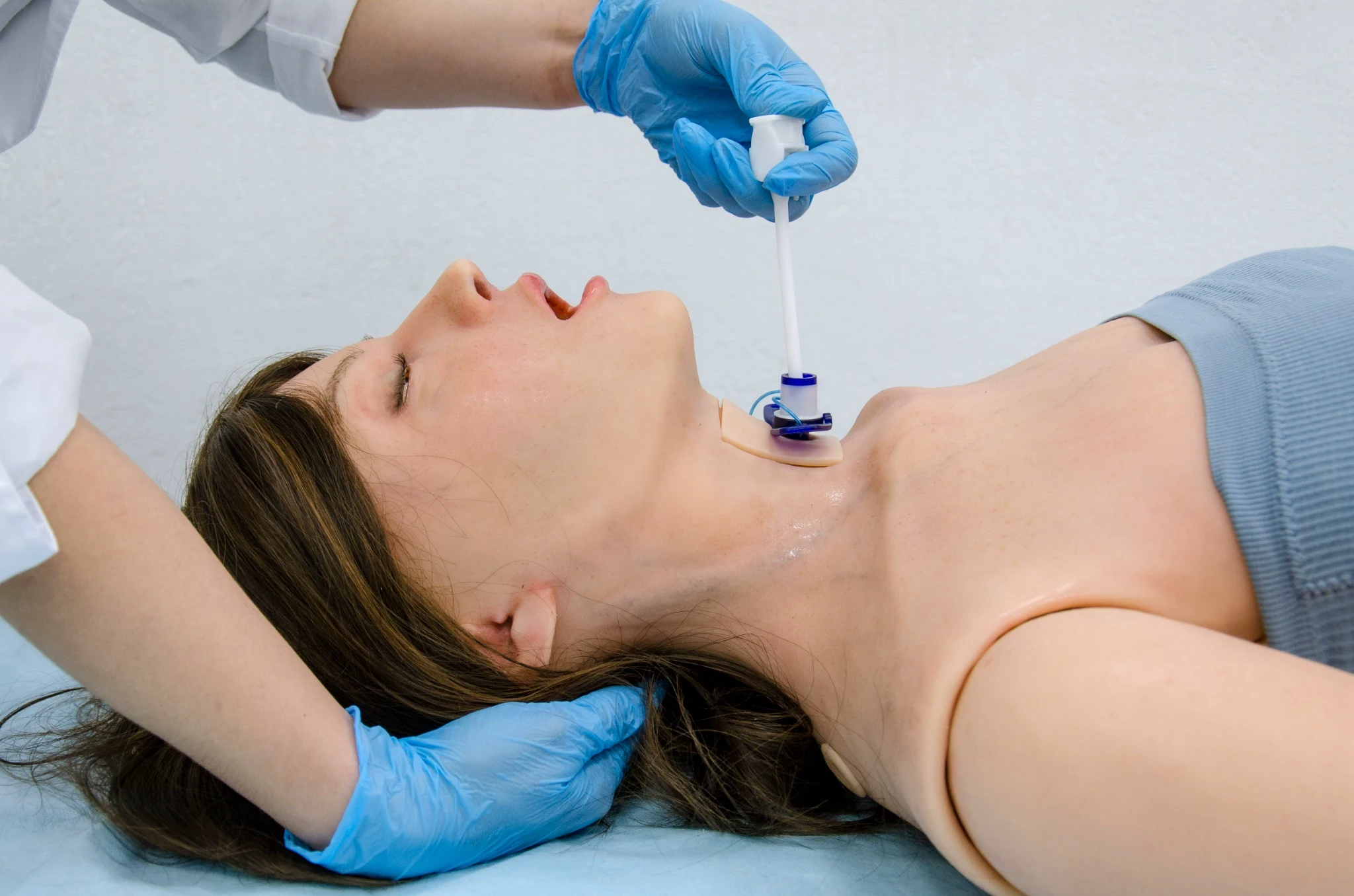
Rotations may end before every learner sees a particular emergency. A scheduled scenario lets educators plan equivalent exposure and repeat it after feedback.
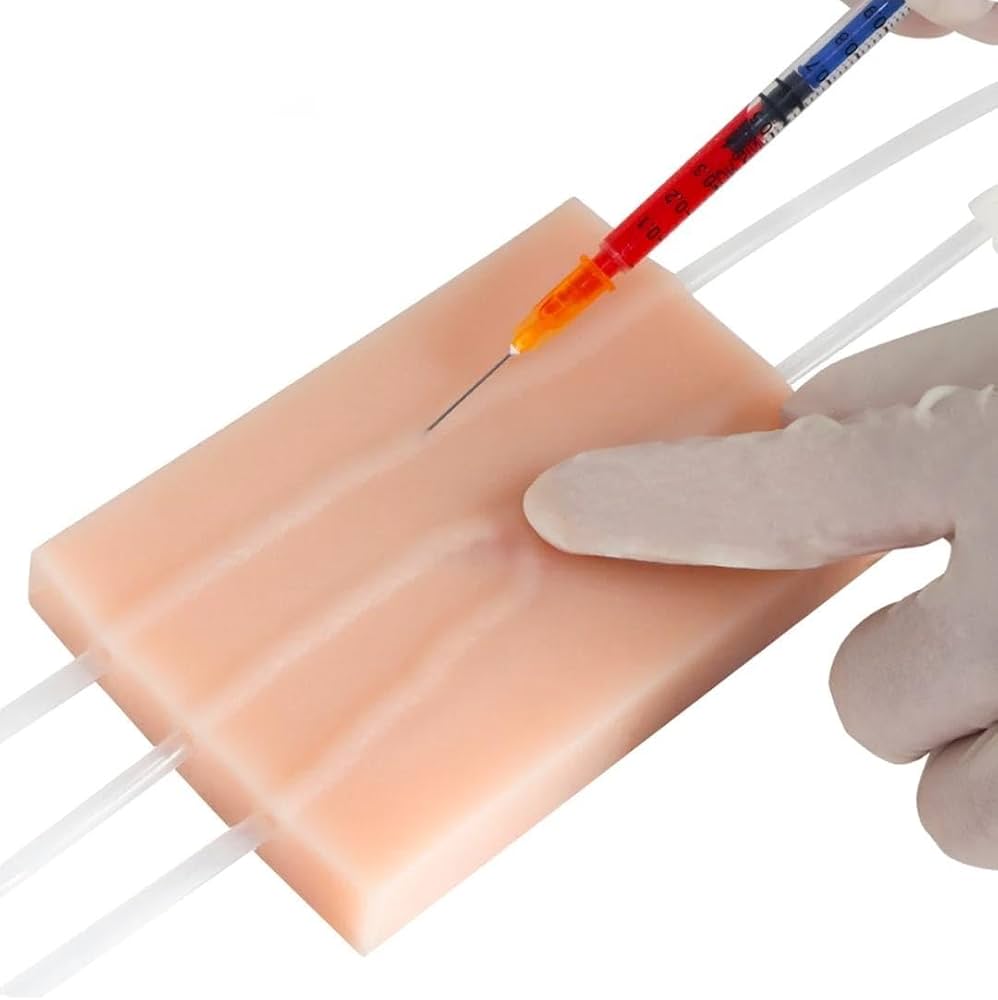
Competing clinical demands can limit the time available to observe a complete task. A task trainer makes repeat attempts and consistent scoring possible.
Communication, role clarity and handovers matter alongside individual technique. A team scenario can reveal ambiguous responsibilities before they appear in a clinical shift.
WHO patient safety fact sheet, 2023
WHO estimates more than three million annual deaths globally due to unsafe care. Causes include system, staffing, diagnostic, medication and procedural factors. The literature does not provide a defensible global death rate attributable only to insufficient practice.
McGaghie and colleagues pooled studies of simulation with deliberate practice against traditional clinical education. Across 14 studies the pooled effect size was 0.71 (95% CI 0.65–0.76), supporting structured practice and feedback for the skills studied. Barsuk and colleagues studied a central venous catheter training programme and reported fewer complications after training in their setting. Such findings help select training objectives and evaluation measures for a local programme.
Scores are on a 0–100% scale. Barsuk et al., 2009, single-centre study of residents. The chart shows exam performance. Clinical complications were measured separately.